Lampshades aren’t just the focal point of your home’s aesthetics; they’re also your home’s most hidden vacuum cleaner and grease trap. Accumulated dust not only dims and muddies the light but also significantly detracts from your room’s design. However, different lampshade materials require diametrically opposed cleaning methods: the way you clean a glass or plastic lampshade might ruin a silk or paper one.
Want to restore your lamp’s shine? Follow these material-specific dry cleaning, wet mopping, and specialty care tips to get your lampshade looking like new again.
Step 1: Basic care – dry cleaning, applicable to all lampshades
For most lampshades, daily “dry cleaning” is the best maintenance method. It can remove most of the floating dust and prevent the dust from solidifying into stains in moisture.
Dry Cleaning Tools and Tips: Dust Like a Pro
Microfiber cloth: The most versatile tool. Unplug the lamp and gently wipe the inside and outside surfaces of the lampshade from top to bottom.
Vacuum Cleaner: For wrinkled or woven lampshades (such as rattan or bamboo), use a vacuum cleaner with a soft-bristle brush head and set it to low suction to quickly remove dust from the crevices.
Lint Roller: This is a lifesaver for removing pet hair , lint, or fibers from fabric lampshades, and is more effective than wiping with a cloth.
The “Bread” Technique (for Paper): For light stains on delicate parchment or paper lampshades , you can gently press or rub the stain with a small piece of white bread (with the crust removed) or a white art eraser . This technique will absorb oil and dust without wetting the paper.
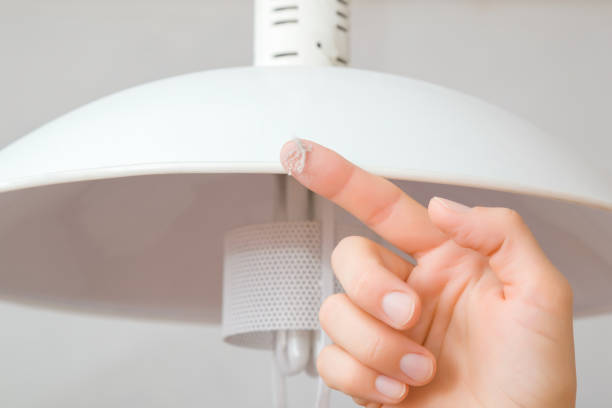
Step 2: Deep Cleaning – The Rules of Wet Mopping and Soaking
When dry cleaning isn’t enough to remove kitchen fumes or fingerprints, you should consider wet mopping. However, be sure to choose between soaking and mopping depending on the material.
Wet mopping and soaking: where water and detergents are taboo
| Lampshade material | Applicable cleaning method | Wet cleaning precautions (critical) |
| Fabric (cotton, linen/polyester) | Wet wipe or soak (removable). | Use mild dish soap and warm water. Don’t rub vigorously. If the fabric is glued rather than sewn, avoid soaking it. Just wipe it quickly with a slightly damp cloth to prevent the glue from dissolving. |
| Glass and plastic/acrylic | Soak or wet wipe all over . | This is the most durable material. Clean with mild soap and water. Do not use cleaners containing ammonia or abrasives as they may scratch or damage the plastic surface. |
| Metal (brass/iron) | Wet wipe . | by quickly wiping with a slightly damp cloth and then immediately drying with a dry cloth . For polished metal, a small amount of glass cleaner (avoiding contact with painted areas) can be used to restore the shine. |
| Natural weaving (rattan/bamboo) | Wipe slightly damp . | After removing dust, wipe with a slightly damp cloth (almost wrung out) with a small amount of mild soap . Do not over-immerse the product in water , as this may cause the material to warp, mold, or fall apart. |
Warning: Drying is key! Any wet-cleaned lampshade (especially fabrics and natural materials) must be completely dried before reinstalling it. If moisture remains on the lampshade, the hot bulb will accelerate mold and unsightly water spots. It’s recommended to dry in a well-ventilated area or with a fan to speed drying.
Step 3: Professional care and “restricted area” materials
For some high-value or extremely fragile lampshades, you should give up the idea of “doing it yourself” and seek professional help.
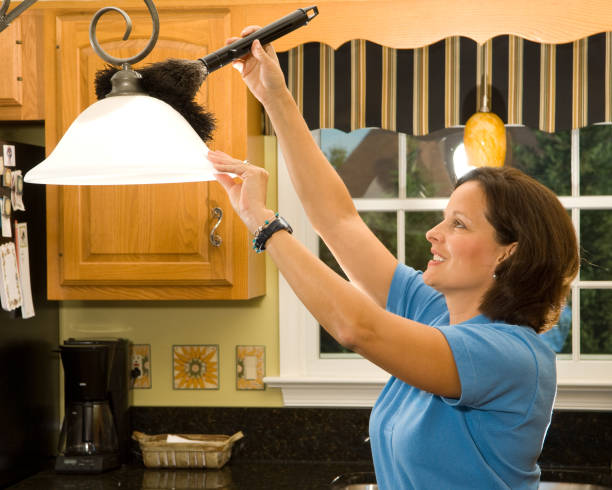
Professional Care: Which lampshades must be left to the experts?
Silk and exquisite embroidery:
Silk is extremely fragile; washing it with water can leave irremovable stains , and self-cleaning can damage its sheen and structure.
Recommendation: Dry clean for daily use only. In case of stains, consult a professional dry cleaner or textile restorer .
Antique Parchment & Paper:
Any form of moisture can cause it to warp, crack, or even disintegrate .
Recommendation: Dry clean only with a soft-bristle brush, eraser or vacuum cleaner with very low suction power.
Intricately decorated lampshades (beading, tassels):
Wet washing lampshades with intricate beads, tassels, or delicate glued-on decorations can easily cause the decoration to fall off or the glue to fail .
Recommendation: Use a pair of stockings to cover the vacuum cleaner nozzle and vacuum very gently. For deep cleaning, consult a professional restorer.
Summary: A defensive strategy to keep the lampshade shining
The art of lampshade cleaning comes down to a defensive strategy : regular dusting is better than deep cleaning . Including lampshade dusting in your weekly cleaning routine, just like cleaning your furniture, is the best way to maintain the quality of light and extend the life of your lampshade.
A rule of thumb to remember: If the material looks organic, porous, or delicate (like silk or paper) , stick with dry cleaning . If the material looks sturdy and non-absorbent (like glass or plastic) , you can safely wet clean it .
What unique lampshade cleaning techniques have you tried? Have you ever had a failed cleaning experience that cost you dearly? Share your experience in the comments section to serve as a warning to other readers!