Have you ever wondered why some cafes or hotels make you feel relaxed and comfortable as soon as you walk in, while others seem cold and harsh? The secret often lies not in the light bulb itself, but in the “clothing” that wraps it – the lampshade .
For a long time, we’ve been obsessed with the lumens and color temperature of light bulbs, while dismissing lampshades as simple decorative accessories. However, in interior design, lampshades are a core tool for controlling light, expressing style, and creating atmosphere . They can filter, shape, and even redirect light, transforming what was once a mundane light source into a work of art imbued with design and emotional warmth.
If you’re planning a home design upgrade, or simply want to make your space feel a little more upscale, it’s time to learn how to use lampshades like a pro. Ready? We’ll delve into how the material, shape, and color of a lampshade work together to become the ultimate touchstone for your home’s aesthetic.
Style DNA: How lampshades can blend in or break your interior design
Good interior design is about consistency. As a prominent vertical decorative element, the lampshade must match the room’s “design DNA”.
The language of materials: style definition from touch to atmosphere
The material of the lampshade is how you declare your home style to the world. Different materials represent different attitudes towards life:
Minimalist & Scandi:
Choose: Favor natural, unbleached materials like cotton and linen, matte metal , or wood .
Effect: These materials have an excellent diffusion effect, releasing even, neutral light, perfectly echoing the pursuit of tranquility and natural light in Nordic design.
Industrial & Urban Loft:
Choice: Pursuing a sense of roughness and practicality , often using black iron, brass or even cement materials.
The effect: The lampshades are often geometric and opaque, confining light to a narrow cone, reinforcing the hard lines and “unfinished” industrial aesthetic of the space.
Traditional & Luxe:
Choose: Prefer texture and sheen , such as velvet and satin fabrics, paired with gold or silver mirror frames.
Effect: They have full shapes and restrained light, creating a sense of low-key splendor and historical weight .
Boho & Wabi-Sabi:
Choose: Emphasize handmade and organic forms , such as rattan, woven bamboo , or handmade Japanese paper .
Effect: When light penetrates these natural materials, it casts irregular shadow textures on the walls, adding a natural, relaxing vacation feel or quiet Zen feeling to the space .
The Art of Shape: Visual Balance and Focus Building
the visual weight and balance of the lamp in the space , which is as important as choosing the right sofa size.
Universal Harmony Principles:
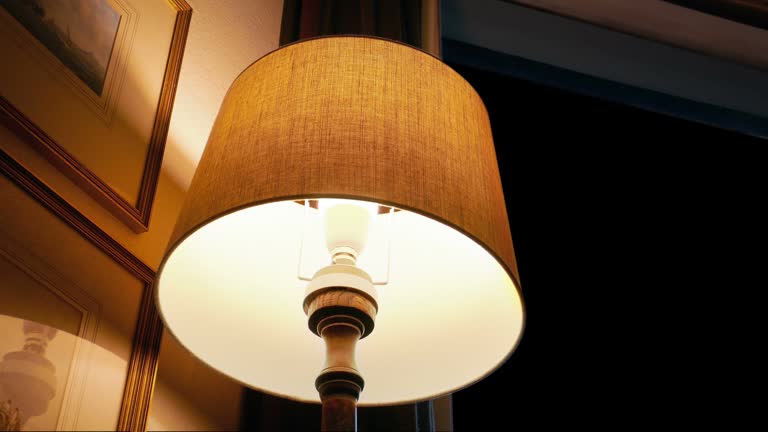
Drum: Simple and modern, the light diffuses evenly downward and upward, making it an evergreen chandelier for living rooms and dining rooms.
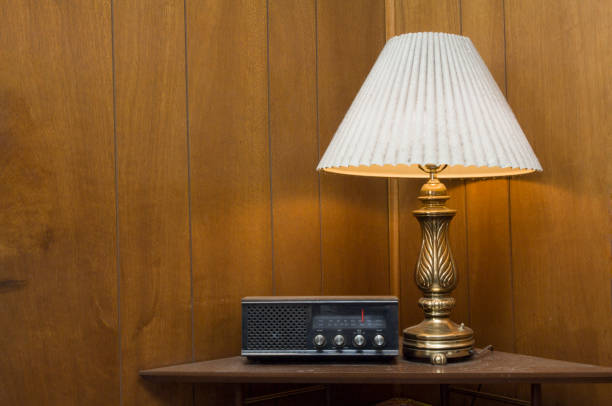
Tapered: Classically elegant, it provides concentrated light and is ideal as a table or floor lamp, suitable for a variety of traditional and modern styles.
Breaking the conventional geometric sense:
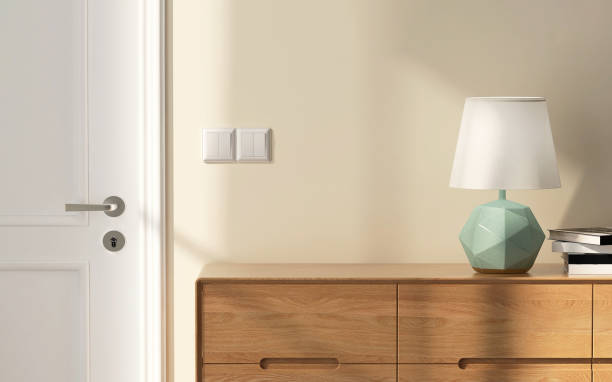
A bold square, polygonal or spherical lampshade can provide a unique visual anchor for the room like a piece of sculpture , and is particularly suitable for modern art or minimalist spaces.
The “golden ratio” of size:
For table lamps, an industry rule of thumb is that the width of the lampshade should be wider than the widest part of the lamp base, and the height of the lampshade should be approximately two-thirds the height of the lamp base . Follow this ratio, and your lamp will look professional and comfortable no matter what style it is paired with.
3. Mood Palette: How Lampshades Reshape Your Sensory Experience
The true magic of a lampshade lies in its ability to manipulate the direction, intensity, and color of light , directly controlling your emotional response when you enter a room .
The Emotional Temperature of Light: Transmittance and Color Filters
Create a sense of privacy (Cozy & Intimate):
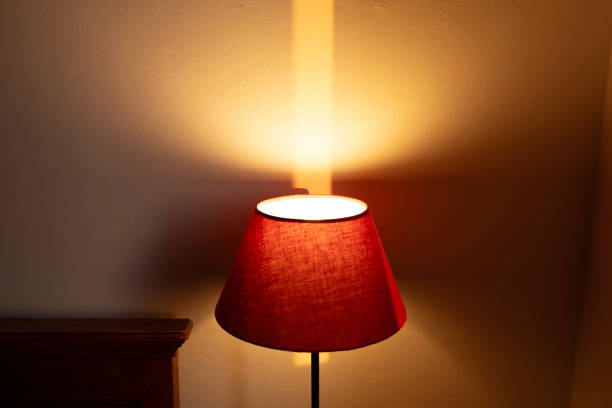
private nook like in an old movie ? Choose a dark, highly opaque lampshade (such as dark linen). The light will be tightly contained, escaping only through the top and bottom openings, creating a subtle, warm glow . If you use a gold or beige lining , the light will act like an “amber filter,” pushing the color temperature into the warm 2700K range .
Achieve Clarity & Productivity:
In a kitchen or studio, you need clear, unbiased light. Choose white or a high-transmittance material. These lampshades maximize light diffusion , minimize shadows, and provide a foundation for efficient, bright lighting.
For workstations, choose lampshades that are metal and open downwards for highly directional lighting , focusing all the light on the task area.
A layered game of light and shadow: Say goodbye to monotonous “white light”
A room with a mature design must have layered lighting. Lampshades are the key to creating this sense of layering:
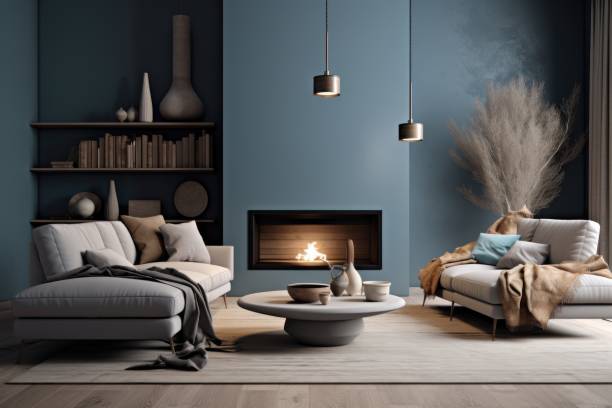
Supplement ambient light: Use floor lamps or wall lamps with light-colored fabric lampshades to provide indirect light (Ambient Light) in the corners of the room . This can effectively soften the harsh shadows cast by the main ceiling light and add depth and dimension to the space .
Create drama: If your lampshade has a unique texture , such as pleated fabric or a fine weave, when light passes through it, it will cast a unique pattern on the surrounding wall. This dynamic light and shadow effect injects vitality and drama into the originally static space , like a small light and shadow show in the room.
in conclusion:
The story of the lampshade is one of evolution from a simple function to prevent glare to an art form that defines the soul of a space . The next time you encounter a space that captures your heart, pay attention to its lighting design. You’ll find that the most atmospheric and moving designs are the result of ingenious use of the lampshade’s material, color, and shape .
Stop settling for “just any lampshade that works.” Start thinking of your lampshade as a sculpture, a canvas, a mood-setter.
Do you have a lampshade in your home that instantly elevates your ambiance? Share its material and color in the comments!