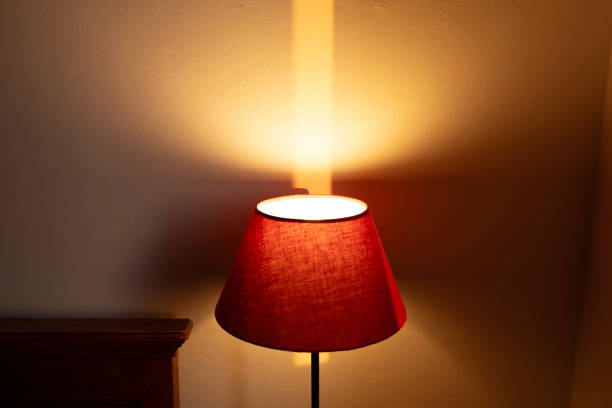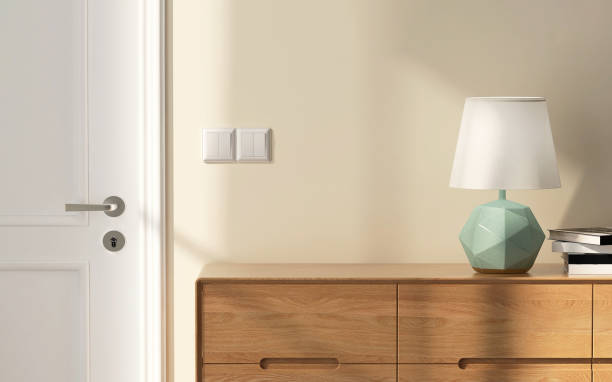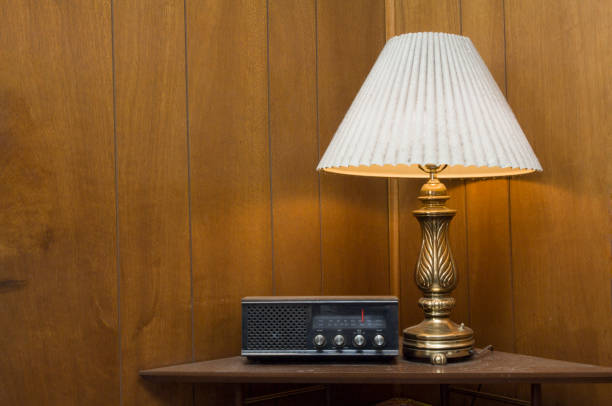
The lampshade is the chameleon and timpani of interior design. It not only determines the quality of light but also forms the core visual language of your room’s style . The wrong lampshade can ruin an expensive furniture pairing; the right one, however, can instantly elevate an ordinary space to a professionally designed level.
From cool industrial to warm Nordic, every space has its own unique lampshade grammar. This article will break down the rules for matching three major styles with lampshades, helping you precisely shape your home’s aesthetic with light.
1. Industrial style: bare, rough and practical aesthetics
The industrial style was born from the transformation of abandoned factories and warehouses in the last century. Its essence lies in exposing the structure, pursuing primitiveness and practicality .
The “three principles” of industrial style lampshades: metal, geometry, and orientation
| Element Category | Matching rules | Typical lampshade examples | Core atmosphere creation |
| Material | Raw and unadorned . Avoid fabric or glass. | Matte black iron, rusted brass, cement or exposed light bulbs (Cage Style). | Rugged, tough, and unpolished retro feel. |
| shape | Functional geometry . Emphasizing the mechanical structure of the lampshade . | **Bowl-shaped (Bowl), (Cone)** metal chandeliers, grid-like cage lampshades. | Emphasizing practicality and functionality, it seems to come from an old workshop. |
| light | Directed and focused : The light is precisely controlled in a certain area. | that opens downwards , often combined with a track light or adjustable arm . | Create dramatic contrasts of light and shadow, highlighting the masonry or concrete texture of the wall. |
Design Tip: In an industrial-inspired space, you can boldly leave the inner surface of the lampshade bare or with a metallic sheen (such as a brass lining). This will reflect a warmer light and add a touch of warmth to the ruggedness. The bulb itself (such as an Edison bulb) is often treated as part of the lampshade and left exposed.
2. Nordic/Scandinavian: Nature, Simplicity, and Hygge
The Nordic style aims to create a bright, peaceful, and hygge space. Due to the long winters in Northern Europe, the design places high demands on the softness and naturalness of light.
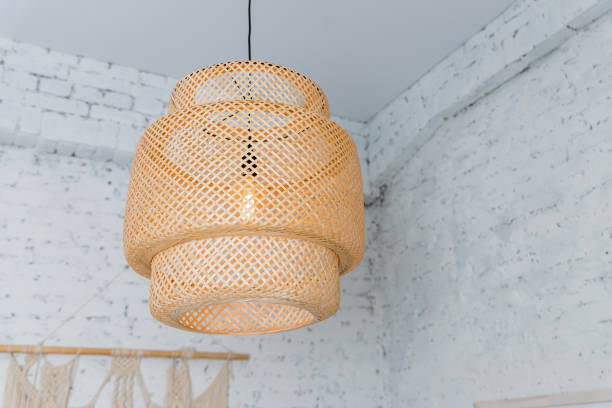
The “three rules” of European style lampshades: natural, soft and simple
| Element Category | Matching rules | Typical lampshade examples | Core atmosphere creation |
| Material | Natural, light and warm . | Light-colored wood, cotton and linen fabrics, beige paper (such as rice paper lanterns), bamboo or rattan . | Create a warm and relaxing atmosphere and bring natural elements indoors. |
| shape | Organic, streamlined, or clean, geometric shapes . Avoid overly ornate decorations. | Streamlined trumpet shape, simple drum shape ; large spherical paper lanterns (fusion of Japanese elements). | It is visually refreshing, does not take up space, and emphasizes functionality. |
| light | Uniform and diffuse . Avoid any form of glare and hard shadows. | White or off-white fabric/paper shade, providing warm neutral light around 3000K . | Softly illuminates the entire space, creating a “shadowless” sense of relaxation. |
Design Tip: Scandinavian style often features open lampshades , allowing light to spread evenly throughout the room. You can transform an ordinary table lamp into a stylish focal point by changing the lampshade. For example, replacing an old plastic shade with a wicker one instantly enhances the natural feel .
3. Modern style and classical style: the art of contrast and fusion
While industrial and Nordic styles differ significantly in material, other styles of lampshades focus more on contrasting details, colors, and shapes .
Modern simplicity vs. classical luxury lampshade differentiation
| style | Modern Minimalist | Classic Luxe |
| Material Focus | Glass, chrome-plated metal, high-gloss paint or solid-color acrylic . Strive for a clean, crisp surface. | Velvet, satin, brass or marble base . Emphasize the sheen and feel of the material . |
| Shape Focus | Precise geometry (circles, cubes), slender lines , and avoid any superfluous decoration. | Traditional bell-shaped, tapered , with delicate pleats or piping . |
| Color matching | neutral colors : black, white, gray , or use solid color lampshades as a “pop of color”. | Highly saturated colors: sapphire blue, dark green, burgundy , with gold lining . |
| Lighting Effects | Uniform, crisp , or strongly directional . Often uses dimmable luminaires. | Warm, soft, and restrained . The dark shade creates a low-light environment and emphasizes intimacy. |
Design tips:
Modern style: The lampshade itself can be the focal point , like a large spherical glass chandelier. The key is clean lines and a perfect finish .
Classic Style: The purpose of a lampshade is to complement furniture and artwork. Choose a dark fabric shade with a gold lining to imbue the light with a luxurious warm golden hue, instantly elevating the room’s sense of luxury and history .
Summary: The lampshade is the “final step” of style
embodying your design concept . By controlling the flow of light and shaping the texture of the material, it directly affects our perception and mood of the space .
Remember to follow the **layering principle** when designing lighting: use the main light to define the function, and use the floor lamp and table lamp (i.e. the lampshade) to define the style and atmosphere**. The next time you buy a lamp, don’t just look at the wattage of the bulb, but also see if the material and shape of the lampshade are consistent with your style language.
How much influence do you think lampshade choice plays in interior design? Are you willing to sacrifice some brightness for the perfect ambiance? Share your thoughts in the comments!