When creating an ideal interior, we often spend lavishly on sofas, artwork, or high-tech appliances, but often skimp on the core lighting component : the lampshade. You might think that as long as the bulb is bright enough, everything will be fine, but in reality, the lampshade is the light’s “PR manager ,” determining how the light enters your living space.
A poorly chosen lampshade can not only ruin your carefully crafted aesthetic, but it can also directly harm your visual comfort and productivity . Does the pendant light over your dining table make you feel like you’re being interrogated? Does your desk lamp force you to squint to read? These are all signs of a poorly chosen lampshade.
This article will reveal the three most common and easily overlooked “fatal mistakes” in lampshade matching : height imbalance, color temperature and color mismatch, and glare exposure. Master these correction rules and you’ll be able to make light a bonus in your home, just like a professional lighting designer.
Misconception 1: Imbalance in height and proportion – visually “top-heavy”
We all strive for visual harmony and balance, but this balance can be completely disrupted when the lampshade size doesn’t match the lamp base, or when the chandelier is hung at the wrong height.
Correction rules: Calibrate using the “golden ratio” and “sight protection”
The “golden ratio” of table lamps/floor lamps:
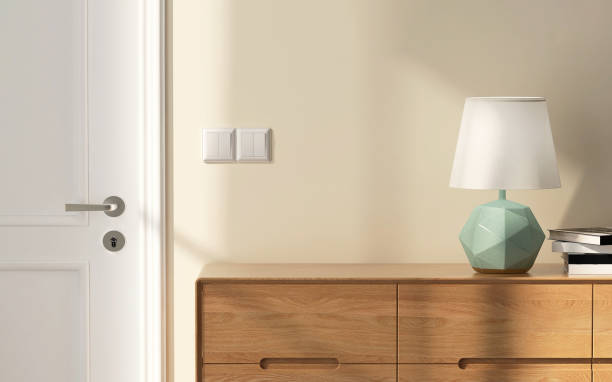
Width principle: The diameter of the lampshade should be at least twice the diameter of the lamp base (the widest point) . If you use a small lampshade with a floor lamp with a marble base, it will look like a “matchstick” stuck in a stone.
Height rule: The height of the lampshade should be approximately two-thirds of the total height of the lamp (from base to lamp head) . This ensures a pleasing visual transition between the lampshade and the base.
The “social height” of the chandelier:
30 to 36 inches (75-90 cm) above the tabletop . This height is crucial: too high, and the light is too diffuse; too low, and it acts like a third party, blocking your view from the diners across from you.
Hide the hardware: Regardless of the lamp, when you sit or stand, the lower edge of the lampshade should perfectly cover all internal hardware – including the lamp head, bracket and bulb itself. Any exposed light source will cause glare problems below.
Misconception 2: Color temperature and color mismatch – “emotional split” of light
The color and material of the lampshade will act like a filter , changing the actual color temperature (Kelvin) emitted by the bulb. Ignoring this physical effect will make the atmosphere of your space fall into “emotional dissociation”.
Correction rule: Use lampshade color to enhance the mood of the space
Bedroom and relaxation area (warm mood):
Color temperature selection: Stick to bulbs with a warm yellow light of 2700K – 3000K .
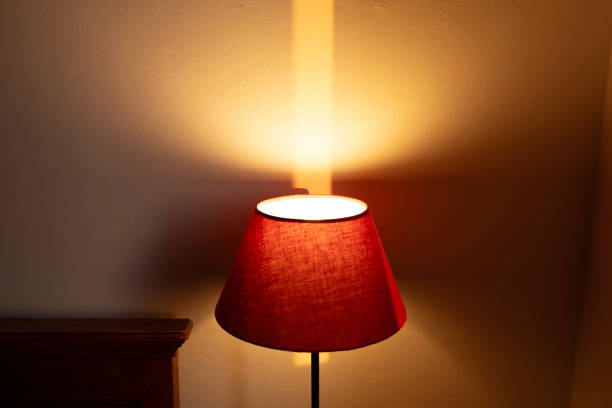
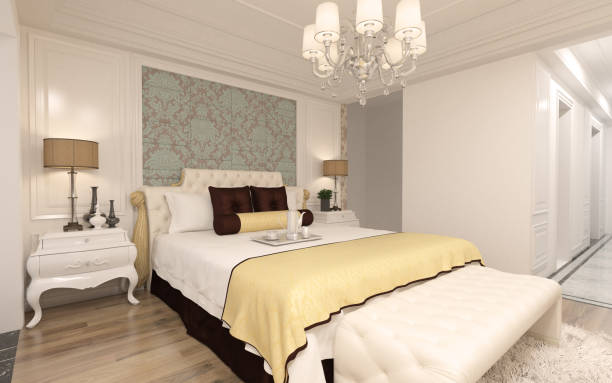
Lampshade filter: Choose warm-toned fabrics like beige, pale yellow, and cream , or lampshades with gold or copper linings. These colors will intensify the warm yellow light, creating a warm and relaxed “hygge” feel. If you use a cool white, high-transmittance lampshade, the warm light will instantly appear pale and ineffective.
Work and Function Area (Clear Emotion):
Color temperature selection: Use neutral white light between 3500K – 4000K .
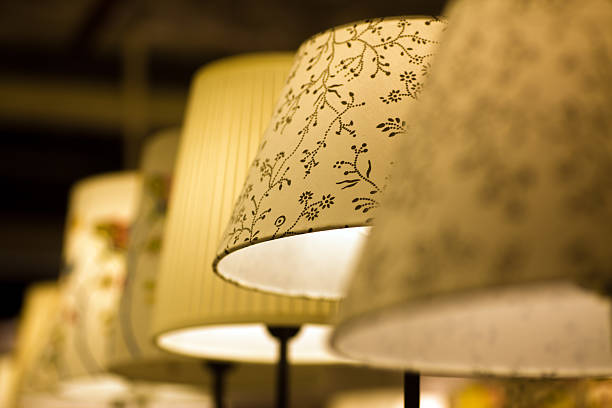
Lampshade filters: Give priority to neutral-colored lampshades such as white, gray or matte metal . They can maximize the preservation of the true color of light and ensure that your eyes’ judgment of color will not be distorted when you are reading or doing fine work.
Energy compensation for dark lampshades: Dark lampshades (such as navy blue and dark green) can create a dramatic atmosphere, but they absorb a lot of light . When using them, you need to use high-lumen bulbs to “compensate” for the absorbed brightness, and make sure the lining is a light-reflecting or gold color to ensure practicality.
Misunderstanding 3: Glare exposure – “visual attack” in lighting design
Glare is a well-known “bad guy” in the lighting world. It’s not only uncomfortable, but can also cause long-term eye strain and headaches. While a lampshade’s most basic function is to prevent glare, many people choose ineffective ones.
Correction rules: deep hiding and diffusion, turning point light sources into surface light sources
Depth and shading angle:
Conceal the light source: Make sure the shape and depth of the lampshade completely conceals the bulb. If you can see the bulb directly from a normal sitting or standing position, the lampshade is not suitable.
Conical or deeply drum-shaped lampshades usually provide a better shielding angle and prevent light from leaking sideways.
Diffuse priority, specular disabled:
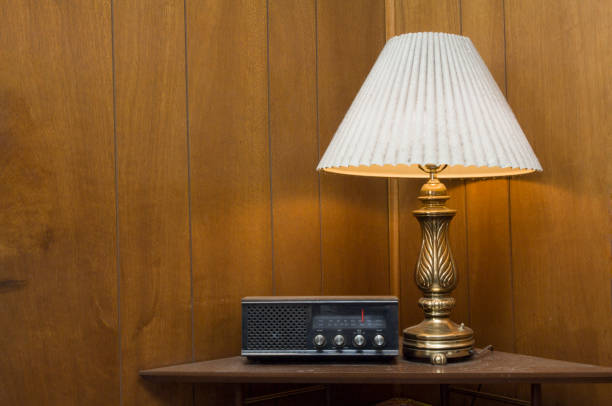
Diffusion material: The best way to eliminate glare is to make the light “softer”. Choose a lampshade made of frosted glass, milky white acrylic or high-density linen , which can effectively transform a harsh “point light source” into a soft “surface light source” .
Avoid reflections: Avoid using high-gloss, mirrored metal or glossy plastic shades on table lamps and lamps near screens . These shiny surfaces reflect light into other parts of the room, causing annoying secondary glare that can interfere with working and reading. Opt for matte or brushed finishes.
Conclusion: Lampshade is not an accessory, but an engineer of atmosphere
All your expectations for the home atmosphere are realized through the light in your room, and the lampshade is the engineer that controls it all .
If you’re tired of your space looking flat, harsh, or disproportionate , it’s time to stop thinking of your lampshade as a simple decorative piece and start thinking about it with design thinking—focusing on its proportions, its ability to filter color, and how easy it is on your eyes.
Next time you’re in the lighting store, which lampshade indicator do you first check? Do you have a lampshade you regret buying? Share your lighting trivia in the comments!