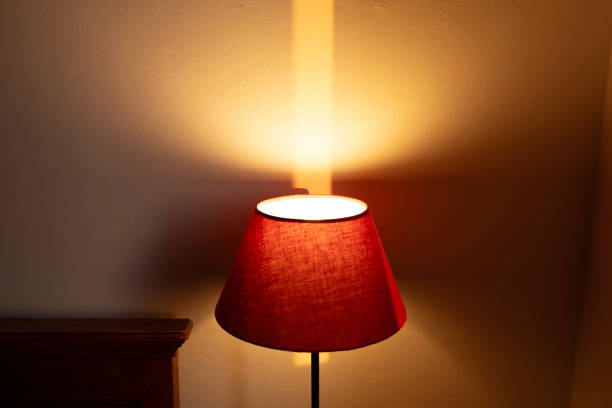
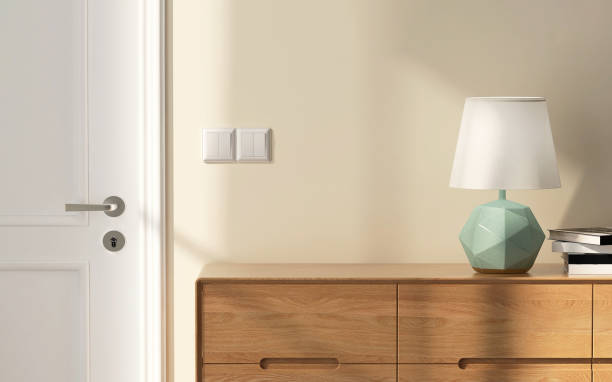
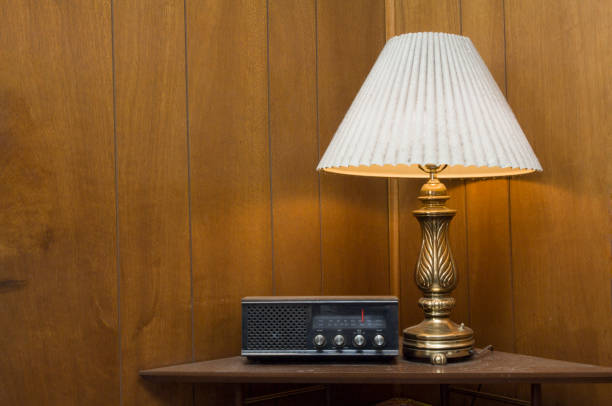
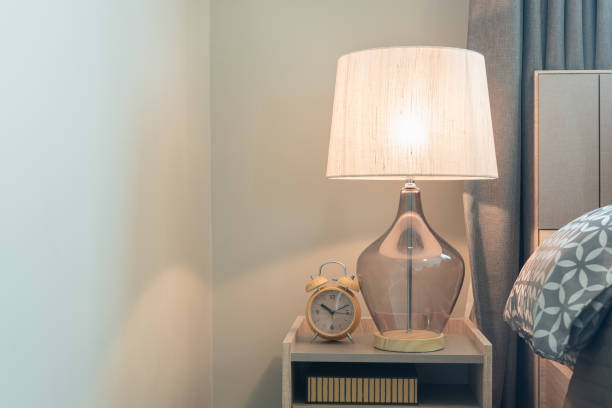
Beyond the cold, hard metal and transparent, polished glass, fabric lampshades are undoubtedly the warmest and most intimate element in the world of home lighting. More than just a shading tool, they act as a gentle filter, taming the harsh light into a diffused glow that radiates comfort and warmth. The inherent texture, drape, and color of fabric imbue lamps with irreplaceable vitality.
However, are all fabrics created equal? From couture silk to simple, natural linen, different fabrics imbue fabric lampshades with distinct personalities and light performance. Choosing the right fabric is the starting point for creating the perfect home ambiance. This article will delve into the physical properties, light performance, and tactile differences of the three most popular fabric lampshade materials (linen, silk, and cotton) to help you choose the one that best suits your home style.
Light Quality and Transmittance: How Fabrics Shape the Mood of Light
The weaving density and fiber characteristics of the fabric are the core secrets that determine the lighting effect of the fabric lampshade .
Linen lampshade: natural, rugged and highly effective diffusion
Linen is a natural fiber, the most significant feature of which is its coarse fibers and clearly visible weaving texture .
Lighting Effect (Secret to Soft Light): Linen lampshades typically have low to medium light transmittance . Due to their irregular, coarse fiber structure, they diffuse light evenly and efficiently , effectively eliminating glare. As light passes through linen, it imparts a warm yellow hue, creating a rustic, relaxing “daylight” feel.
Touch and Style: With a rough, crisp feel and a natural texture and drape, linen lampshades are a popular choice for Nordic, Wabi-sabi, and minimalist styles . The natural light and shadow they create imbue a space with a sense of Zen and breathtaking beauty.
| Material | Fiber characteristics | Typical transmittance | Light performance | Atmosphere |
| flax | Coarse fiber and clear texture | Medium-low | Highly efficient diffusion, warm and natural, no obvious light spots | Rustic, natural, relaxing |
Silk lampshades: luxurious, lustrous, and translucent glow
Silk is a protein fiber known for its fineness, smoothness and unique luster.
Lighting Effect (Secret for Soft Light): Silk lampshades have a medium-to-high light transmittance and are translucent . When the light is on, the silk surface reflects a unique, luxurious sheen , creating a “luminosity” effect. The light it transmits is delicate, hazy, and possesses a sense of dramatic luxury. A thicker lining further concentrates the light.
Feel and Style: Exceptionally soft and smooth to the touch, silk lampshades are a hallmark of classicism, luxe elegance, and retro Hollywood styles . They often require hand-pleating or intricate construction to achieve their opulent drape.
| Material | Fiber characteristics | Typical transmittance | Light performance | Atmosphere |
| silk | Fine fiber, smooth and high gloss | medium to high | Delicate glow, hazy light, with dramatic reflections | Luxurious, exquisite, classic |
Cotton lampshade: the best carrier of versatility, balance and color
Cotton is the most common and economical lampshade material, with the characteristics of moderate fiber, easy dyeing and strong plasticity.
Lighting Effect (Secret to Softening): Cotton lampshades have the widest range of light transmittance , depending on their weave density (thread count). Generally speaking, they provide a balanced, soft lighting effect . However, cotton’s greatest advantage lies in its color expression . Dark cotton lampshades absorb a large amount of light, concentrating it downwards; light-colored cotton transmits light evenly, making it a versatile soft-light carrier.
Feel and Style: Soft, skin-friendly, and easy to clean, cotton lampshades are the perfect choice for American Country, modern minimalist, and a variety of custom colors . If you’re looking for a neutral, balanced look and need a specific color to complement your home palette, cotton is your first choice.
| Material | Fiber characteristics | Typical transmittance | Light performance | Atmosphere |
| cotton | Moderate fiber, easy to dye, strong plasticity | Wide (medium to high) | Balanced soft light, stable light, strong color expression | Versatile, friendly, modern |
Two hidden factors in choosing fabric lampshades: lining and cleaning
the fabric lampshade depends not only on the outer fabric, but also on the structure and daily maintenance.
In-depth analysis: The decisive influence of lining material on soft light effect
Whether you choose linen, silk or cotton, the lining of the lampshade is the key to controlling the direction of light and color saturation.
White lining: Improves light efficiency . The white lining reflects light from the inside, minimizing light loss, making the light appear brighter and whiter, and maintaining its purity. Suitable for table or floor lamps requiring basic brightness.
Gold/Silver Lining: Change the tone of light . A gold lining (commonly used on metal or faux-metal fabric shades ) adds a warm amber hue to the light, creating a sense of ultimate warmth and vintage luxury. A silver lining reflects a more modern, cooler white light.
Unlined or transparent: This construction allows light to diffuse directly through the fabric, maximizing the fabric’s texture and grain , but also means a higher risk of glare.
Fabric lampshade maintenance: how to avoid dust accumulation and discoloration
fabric lampshades is that they easily accumulate dust and absorb odors (especially in kitchens or smoking environments), which will reduce light transmittance and affect the appearance.
Dust regularly: Use a vacuum cleaner with a small brush head at the lowest suction pressure to gently clean the surface of the lampshade once a week .
Professional cleaning: For cotton or linen, try spot-cleaning with a professional fabric cleaning spray. Silk should be dry-cleaned or taken to a professional to prevent the fibers from deforming.
Prevent discoloration: Avoid placing fabric lampshades near windows with direct sunlight, as ultraviolet rays can cause fiber aging, color fading, and accelerate yellowing of the lampshade .
in conclusion:
Fabric lampshades , with their incomparable softness and versatility, have become the mood-makers in the home lighting industry. Choosing them is not just choosing a lamp, but also choosing a language of light :
If you’re looking for a calm, rustic, and naturally healing atmosphere , choose linen .
If you crave delicate, luxurious, soft-focus light and shadow , choose silk .
If you need a neutral, versatile solution that can be easily matched with other colors, choose cotton .
The next time you choose a lamp for your space, don’t just look at the shape of the lamp, but also feel the warmth and texture of the fabric with your hands.
What kind of lighting mood do you need most in your home? Feel free to share your favorite fabric lampshade combinations in the comments section!