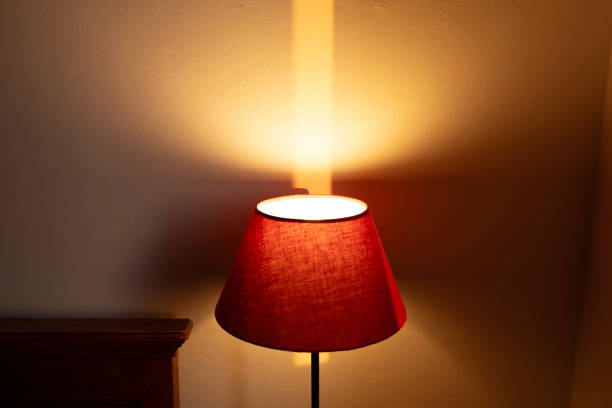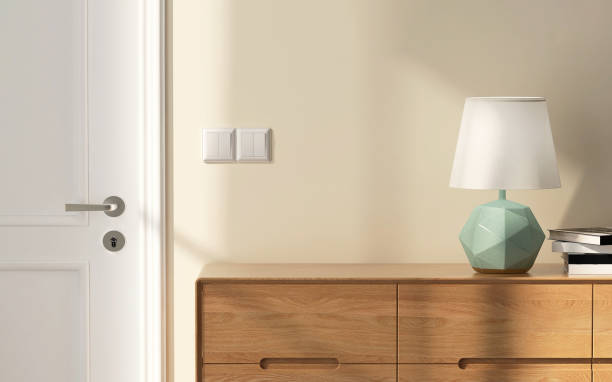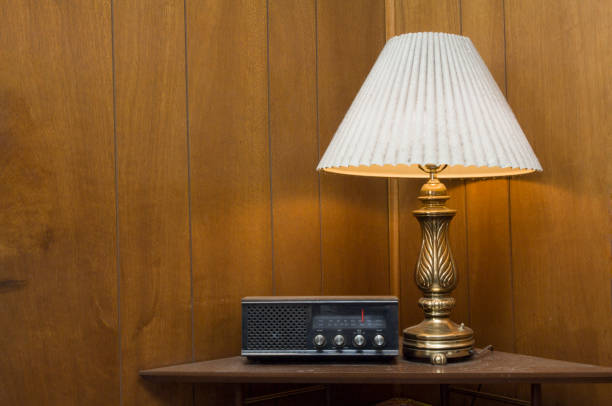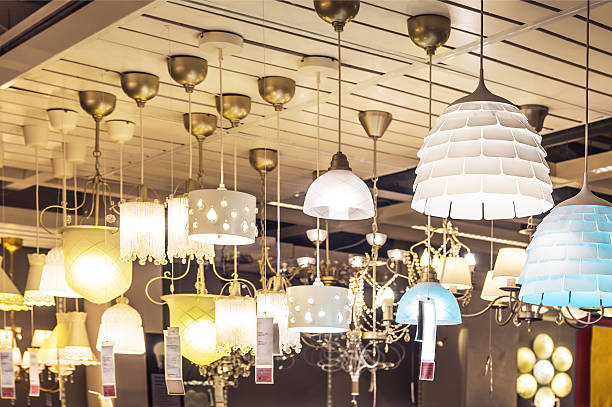
We often focus on the color temperature and brightness (lumens) of a light bulb, but overlook another crucial role: the lampshade . More than just a decorative element, it’s a crucial component that determines light quality, visual comfort, and even home safety. Choosing the wrong lampshade can, at best, affect reading efficiency and, at worst, accelerate eye fatigue.
A lighting system tailored to your needs begins with precise control of light. Your lighting needs will evolve dramatically as you age and the functions of your room change. A desk lamp for a five-year-old reading and a street lamp for a seventy-year-old getting up at night will inevitably require different shades.
Ready to dispel the myth of a “one-size-fits-all” lampshade? This article will delve into the customized lampshade needs of three specific groups and scenarios: the elderly, children, and high-efficiency workspaces . It will teach you how to think like a lighting designer and make the smartest choices for your living space.
1. Visual needs of the elderly: combating glare and visual decline
As we age, the function of our eye’s lens and pupil changes. Smaller pupils mean less light enters the eye, while the eye’s sensitivity to glare increases dramatically. This isn’t just a matter of blurred vision; it’s a challenge to safety and comfort.
Focus: Soft diffusion and sufficient brightness
Glare is public enemy number one:
Problem: Glare from exposed light sources or highly reflective lampshades can cause visual discomfort or even temporary blindness to older people, especially at night.
Solution: The lampshade must have a deep, anti-glare design . Choose a material with excellent light diffusion , such as opal acrylic (Opal Diffuser) or frosted glass . The light source should be hidden as deep as possible inside the lampshade to avoid direct light into the field of view.
The Brightness Paradox:
Problem: Older people require higher levels of illumination than younger people to see clearly (sometimes up to 50% more light).
Solution: The lampshade needs to strike a balance between “softness” and “efficiency”. Choose a diffuser material with high light transmittance to minimize light loss, thereby effectively converting the high-lumen bulb into uniform and sufficient ground illumination.
Maintenance Simplicity:
The structure of the lamp should be simple and easy to clean . Complex shapes are prone to dust accumulation, affecting the quality of light and increasing the difficulty of maintenance for the elderly.
2. Children’s growth space: safety first, eye protection first
Children’s world is full of vitality and desire for exploration, which also puts the highest “safety standards” on lighting equipment. At the same time, because children’s visual systems are still developing, incorrect lighting methods may have long-term negative effects on their eyesight.
Focus: Material safety and extreme light uniformity
Safety and Durability (Safety and Durability is Non-Negotiable):
Problem: Fragile glass lampshades or plastics containing harmful chemicals are potentially dangerous for active children.
Solution: Choose environmentally friendly, non-toxic (e.g., RoHS-certified), and impact-resistant materials, such as high-quality **PC (polycarbonate)** or ABS plastic . Ensure that the lamp will not shatter if touched or accidentally dropped.
Ultra-Soft Diffusion:
Problem: Children often read or draw in close proximity to desk lamps, and any direct glare can damage their underdeveloped retinas.
Solution: Lampshade design should pursue the ultimate in softness and uniform light . Choose a deep lampshade that can completely transform the light point into a uniform surface light source, ensuring that the work area is free of bright or dark shadows or flickering.
No More Hot Spots:
Problem: The lighting in the learning area needs to be highly stable and uniform; any “hot spots” (localized overlight) or “cold spots” (shadows) will force the eyes to constantly adjust.
Solution: Make sure the lampshade can evenly distribute light across the entire study surface to reduce visual fatigue and allow children to focus more on reading materials.
3. Efficient Workspace: Precision Lighting and Efficiency Improvement
In a home office or any workspace that requires high concentration, the goal of lighting is no longer just to “see clearly”, but to maximize work efficiency and visual comfort . The lampshade here is more like a light guiding system .
Focus: Precision guidance and reflective control
Pinpoint Light Direction:
Problem: Wide-angle or diffuse light can flood the room, distracting you and potentially cause glare on your screen.
Solution: The lampshade design of the work area desk lamp should redirect the lighting (directional lighting) . Use a reflector (reflector) and a precise shielding angle design to focus the light beam precisely on the keyboard, document or handwriting area.
The Anti-Reflection Mission:
Problem: Any light reflected directly onto a computer screen or tablet creates glare, forcing the eyes to constantly work to adjust to changes in contrast.
Solution: The inner and outer surfaces of the lampshade should be matte to reduce secondary reflections. For display lighting, choose a lampshade with asymmetric light distribution, which means that the light only illuminates the desktop and not the screen.
Efficiency Meets Flexibility:
Problem: Inefficient lampshades waste energy.
Solution: Choose a metal or composite shade with a highly reflective lining to maximize light efficiency. More importantly, the shade should be adjustable , allowing users to adjust the angle and coverage of the light based on their task (reading, typing, video conferencing) and sitting posture.
Conclusion
the health, safety and efficiency of each of us .
The next time you’re standing in front of a shelf, instead of just focusing on the lumens and color temperature, consider the shape, material, and design of the lampshade. Ask yourself: Is this “light controller” really suitable for my stage of life and functional space?
�� Which area of your home needs the most lighting upgrade? Have you ever been plagued by a faulty lampshade? Share your lighting strategies in the comments!