The bedroom is a haven for rest and relaxation, and lighting plays a crucial role here. However, many people don’t realize that choosing bedroom lighting isn’t just a question of aesthetics; it’s also a matter of biology and psychology . If your bedroom lighting isn’t the right color, it could be subtly disrupting your sleep cycle.
Scientific research shows that light color temperature is a key factor in regulating the body’s melatonin secretion. Melatonin is a hormone that regulates sleep/wake cycles (also known as circadian rhythms). Bedroom lampshades act as the ultimate light filter, and their color and material directly determine the spectrum of light that reaches your eyes.
This article will deeply analyze the scientific basis for the use of warm-colored lampshades in sleep, and recommend the lampshade material that best conforms to the “sleep color philosophy” so that you can easily create a truly sleep-inducing bedroom light environment.
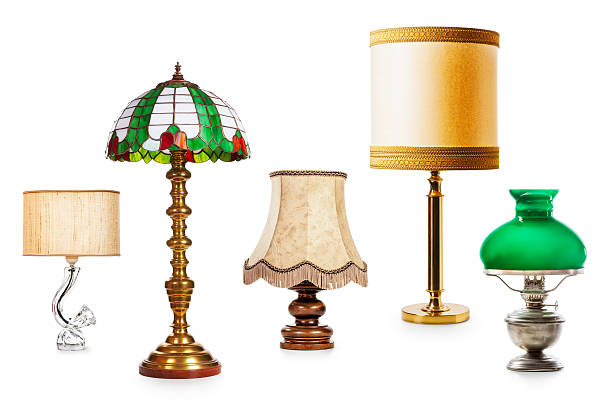
The Psychology of Sleep Color: The Science of Light and Circadian Rhythms
To understand bedroom lampshade choices, we must start with the color temperature of light and its effect on melatonin.
The “awakening” effect of the blue spectrum and the “relaxing” signal of warm light
Cold light (high color temperature): Cool white or blue light with a color temperature above 5000K, similar to the spectrum of daytime sunlight. This type of light strongly suppresses melatonin secretion, sending a “stay awake” signal to the brain. Exposure to this light before bed can delay sleep onset and reduce sleep quality.
Warm light (low color temperature): This warm yellow light, with a color temperature below 3000K (ideally between 2000K and 2700K), simulates dusk and candlelight. This light emits minimal blue light spectrum, which has a minimal inhibitory effect on melatonin, helping the body relax and prepare for sleep.
H3: Psychological anchors of warm lampshades: association and sense of security
In addition to physiological effects, warm-colored lampshades also have powerful psychological suggestion effects.
Creates a sense of security: Warm yellow light evokes images of fires, fireplaces, or sunsets, which have been associated throughout human evolution with signals of safety, relaxation, and the end of social interaction . This light can lower heart rate and blood pressure, creating a calming emotional tone.
Reduce contrast: The warm-colored lampshade softens the light, reducing the brightness contrast in the environment and eliminating harsh glare . When working in a low-contrast environment, eye fatigue will be greatly reduced.
Core conclusion: The core philosophy of bedroom lighting is “low color temperature, low illumination, and no glare .” A suitable warm-colored lampshade is the key to achieving this philosophy.
Recommended materials for bedroom sleep-aid lampshades and the secret to soft light
choosing a warm-colored lampshade , the light transmittance and color of the material are two decisive factors that determine the final light effect.
Material recommendation 1: Fabric lampshade (extreme soft light and color filtering)
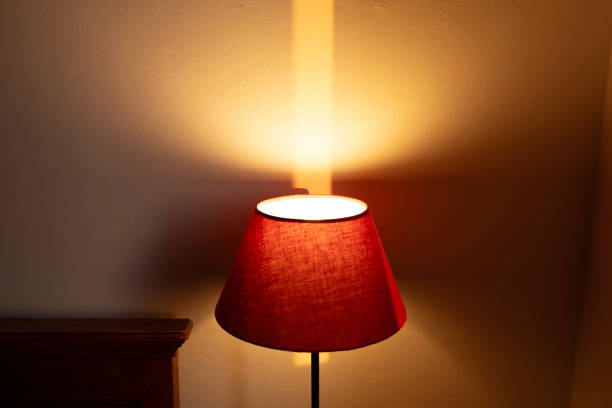
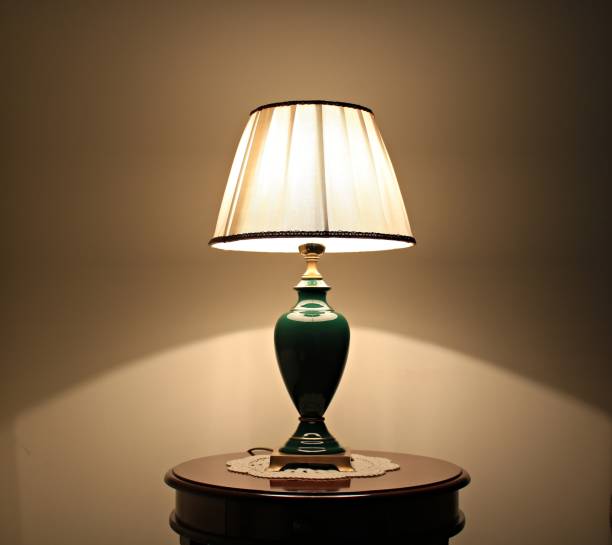
Sleep aid advantages: Fabric lampshades have an excellent diffusion and softening effect. Warm tones, such as off-white, light beige or light grey, are particularly effective in absorbing the cooler colour spectrum and giving the light a sense of “breathing”.
The secret of soft light: the fiber structure of the fabric transforms point light sources into uniform light over a large area, eliminating glare and providing warm and non-directional light.
Applicable types: bedside table lamp, floor lamp.
Material recommendation 2: frosted glass/milky white acrylic (even diffusion)
Sleep-aiding benefits: This material ensures highly uniform light output , avoiding any glaring spots. It is also easy to clean and highly durable.
The secret of soft light: the lampshade with frosted or milky white material will have deep scattering, even if the internal bulb is brighter, the outside will show a soft halo.
Applicable types: ceiling lamps (as basic lighting), wall lamps.
Buying Guide: How to ensure your lampshade is the “sleep color”?
Color temperature matching: Even if the lampshade is warm in color, it must be matched with a bulb with a color temperature below 3000K (such as 2200K or 2700K).
Avoid dark colors: Although lampshades that are too dark (such as dark blue or black) can completely block out light, they may result in low light efficiency and force you to use high-brightness bulbs, which will create a strong brightness contrast and affect your sleep.
Lampshade lining: Bedroom lampshades should have white or beige lining to maintain the purity and efficiency of light, but the lining must be matte to prevent reflected glare.
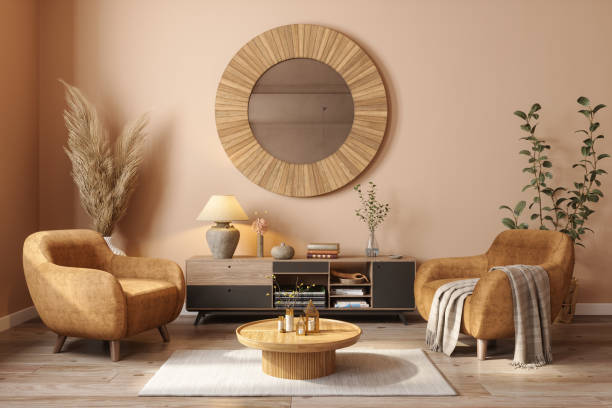
The Ultimate Bedroom Lighting Setup: Lampshade Positioning and Layered Lighting
Even the most perfect warm-colored lampshade can disrupt your sleep if it’s not positioned correctly.
Shielding angle principle: No matter which lampshade you choose , make sure that when you lie in bed, your line of sight will not directly see the bulb or light source at the edge of the lampshade . The bottom edge of the lampshade of the bedside lamp should be slightly below eye level.
Layered Lighting: Bedroom lighting should be divided into three levels:
Main lighting: Use a high-softness, low-intensity ceiling lampshade to provide basic light.
Reading lighting: Choose a wall lamp or table lamp with a deep barrel or high shading angle lampshade . The light should be concentrated on the reading area to avoid overflow.
Mood lighting: Choose a floor lamp or night light with a warm shade and the lowest color temperature (2200K), and use it only before going to bed.
in conclusion:
bedroom lampshade is about respecting your body’s circadian rhythm. By choosing a lampshade material with warm tones, high softness, and low glare , you can create a safe and calming signal environment for your body and promote the natural secretion of melatonin.
A suitable bedroom lampshade is a prescription for sleep that you don’t have to take.
Now, turn off your cool white light and experience the calming warmth of a warm lampshade. What color is your bedroom lampshade? Share your secrets for a restful night’s sleep in the comments!