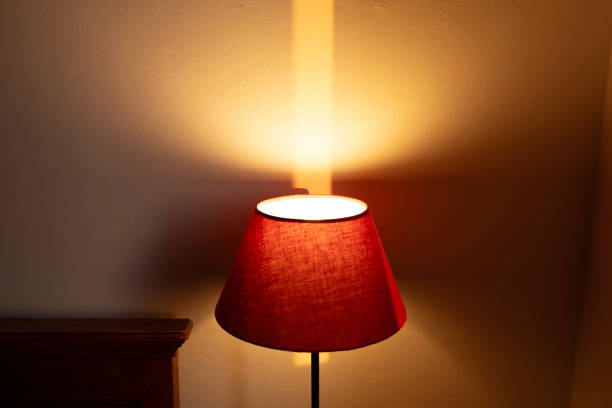
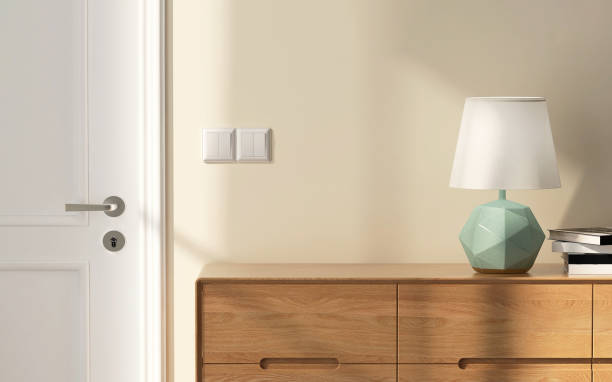
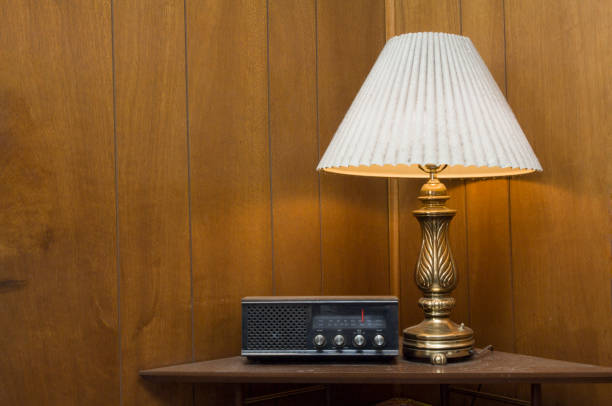
The study is a high-intensity visual task space for focused work, study, and reading. Here, lighting needs to be not just bright enough but also high quality. If your desk lamp’s light is glaring and has high brightness contrast, it’s likely quietly sapping your visual energy, causing eye fatigue, dryness, and even headaches .
For high-intensity reading, anti- glare is a core principle of lighting design. The desk lampshade , acting as the “engineer” of light, directly determines the softness and precision of the light. This article will reveal the ultimate anti-glare solution for your study lampshade , providing expert guidance on how to choose a study partner that truly protects your eyesight.
Lighting needs for high-intensity reading: Why is anti-glare a priority?
Prolonged fine visual work (such as reading small print, writing, and drawing) places strict demands on light quality.
The harm of glare: the invisible killer of reading efficiency
Physiological fatigue: Strong glare (direct light source or high-brightness reflection) can cause the pupils of the human eye to constantly contract and expand, and the ciliary muscles to be tense for a long time. This is the main physiological cause of visual fatigue and headaches.
Reduce contrast: The reflection of glare on paper or screen (disability glare) will weaken the contrast between text and background, forcing the eyes to work harder to identify details, and reading efficiency will plummet.
The mission of a study lampshade is to ensure that light falls only on books through precise light control and softening, without directly shining or reflecting into the reader’s eyes.
The best anti-glare lampshade solution: the golden combination of structure and material
lampshade design of the study desk lamp must take into account both light focusing (to ensure reading brightness) and light blocking (to prevent glare).
Structural secret: deep tube (high shading angle) design
This is the most core and effective physical design of the anti-glare lampshade .
Working principle: The depth and shape of the lampshade ensure that the light source is “hidden” in the reflective cavity inside the lampshade .
The effect: A good desk lamp shade design typically has a high shading angle (usually ≥ 45°) . This means that when you sit in a normal reading posture, your line of sight cannot directly see the bulb or lamp beads. The light must first be reflected by the inner wall of the lampshade before being projected onto the table.
Recommended lampshade type: A deep metal downlight or a professionally designed long LED strip light . These designs precisely limit the light beam to the work area.
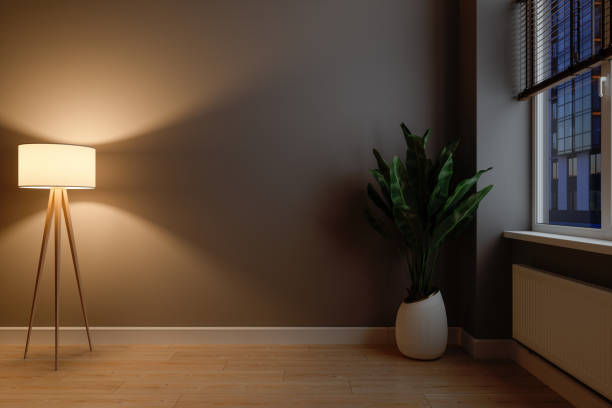
Material key: matte inner wall and honeycomb grid
Even with the correct structure, the material of the inner wall of the lampshade is crucial.
Matte Interior: A matte (non-mirror) coating or frosted material should be used for the interior of the lampshade. This ensures that the light is evenly diffused and avoids specular glare . If the interior is too smooth, it will increase the risk of indirect glare.
Honeycomb grille (optional): Some professional reading lamps or studio lamps will add a honeycomb grille at the lampshade outlet .
Function: This grid can further subdivide the light beam into tiny light columns, greatly improving the directivity and uniformity of the light , completely eliminating lateral light leakage, and is suitable for work with extremely high light requirements.
Tips for choosing and using the perfect table lamp shade
Choosing an anti-glare lampshade is only the first step. Only by using it correctly can it achieve its maximum effect.
Angle and position: avoid reflected glare
Sideways placement: The desk lamp should be placed in front of the side of your non-dominant hand . For example, a right-handed person should place the desk lamp in front of the left side.
Principle: This ensures that when writing or reading, the light is not blocked by the hand or pen tip, and the shadow is cast on the non-working area to avoid shadow interference on the paper.
Avoid specular reflections: Adjust the angle of the lampshade so that when the light falls on the book, it does not create a white spot that reflects into your eyes . This can be achieved by tilting the lampshade slightly while reading .
Balance between lampshade size and height
Lampshade diameter: The diameter of the lampshade of the study desk lamp should be moderate, which can effectively block the light source and ensure that the light covers the entire reading area.
Height: The ideal height for a desk lamp is to have the bottom of the lampshade approximately 40cm to 45cm from the tabletop . This height ensures sufficient light and the shade ‘s shielding angle is designed to work properly.
in conclusion:
The shade you choose for your study lamp reflects your commitment to healthy vision. Avoid those aesthetically pleasing but impractical transparent or shallow shades . Opting for a professional, anti-glare shade with a high shading angle and a matte interior is the cornerstone of an efficient and comfortable reading environment.
When your lampshade successfully tames the light to illuminate only the pages of your book, you can truly enjoy high-intensity reading without paying the price of eyestrain.
For the sake of your eyes, make sure your study lamp shade is a true anti-glare solution!