Floor lamps are among the most flexible and versatile fixtures in home lighting. Unlike ceiling lamps, they aren’t fixed to the surface like table lamps, but their functionality lies primarily in the design of their shade , which determines whether the light is projected upward, focused downward, or diffused evenly .
Among the many floor lamp types, the Torchère (Uplight) and Task (Downlight) styles are two of the most popular. They represent distinct lighting philosophies: one aims to softly illuminate the entire room by bouncing light off the ceiling, while the other focuses on providing high-intensity, concentrated light for specific tasks. Understanding how these two types of lampshades affect light is key to creating a multifaceted, comfortable lighting environment.
Uplight floor lamp shade: the ceiling’s “light canvas” and the art of indirect lighting
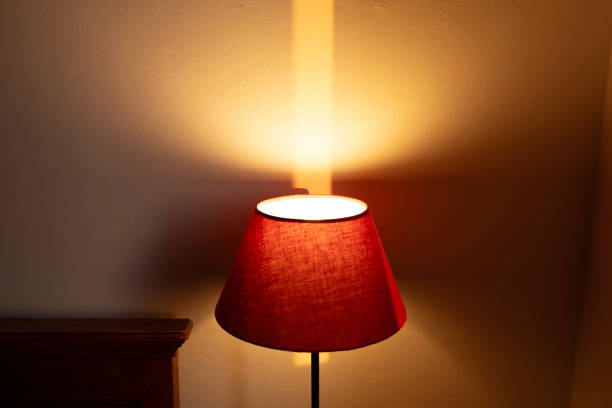
As the name suggests, uplight floor lamps project light primarily upwards. Their shades are typically bowl-shaped or open upwards, making them a typical example of indirect lighting.
How it works: Maximizing the reflective effect of the ceiling
Light dispersion: Uplighting shades focus most of the light toward the ceiling above.
Reflection mechanism: The ceiling acts as a huge diffuse reflector . Light is evenly scattered and reflected on the ceiling surface, and then softly falls throughout the space.
Eliminate glare: Since the human eye does not directly contact the light source, this indirect lighting can completely eliminate glare and provide extremely high visual comfort.
Key influence: Choice of ceiling material and color
top-lit lampshade is closely related to the characteristics of the ceiling:
Ceiling color: White or light-colored ceilings are the best choice, as they have the highest reflectivity (up to 80% or more), maximizing light utilization and room brightness. Dark ceilings absorb a lot of light, weakening the lighting effect, but can be used to create a dramatic atmosphere in certain designs.
Ceiling material: A matte finish is better than a glossy finish. It ensures even light diffusion, avoiding specular spots on the ceiling and maintaining a soft, even overall lighting effect.
Atmosphere effect: Uplighting lamps create an overall, soft, shadow-free basic atmosphere lighting, which is suitable for living rooms, reception areas and other spaces that require a warm feeling.
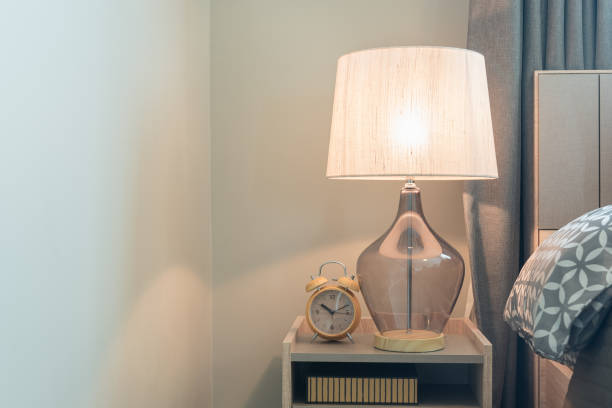
Reading floor lamp shades: focused, directional and localized task lighting
Reading floor lamps , also known as task floor lamps, typically have a semicircular or conical shade that opens downward and often has long arms for precise, directional lighting.
How it works: The reaction between light and the ceiling
Light focusing: The reading lampshade concentrates the light highly in the direction of the lampshade opening through its opaque material (such as metal) and deep tube structure.
Ceiling impact: Reading floor lamps have minimal reflection from the ceiling . They are designed to prevent light from spilling upwards or being scattered sideways, ensuring that all light energy is used to illuminate the reading area.
Advantages: Provides high-intensity, high-contrast localized light, ideal for delicate tasks such as reading, knitting, or crafting.
Light-concentrating techniques: deep tubes and matte interiors
Deep tube design: This is the core of the reading lampshade , which can provide a high shading angle, completely eliminate glare when reading , and protect eyesight.
Matte interior: Matte white or silver interior walls must be used to maximize light reflection into the designated area while ensuring uniform and soft light.
Atmosphere effect: Reading lamps create local accent lighting , which not only gives functionality to the area but also forms soft shadows around the light, creating a focused and private working atmosphere.
The “Multi-functional Configuration” of Floor Lamp Shades: The Ultimate Solution for Layered Lighting
The most ideal floor lamp configuration is to combine uplighting and reading functions to achieve layered lighting.
Combination lampshade: uplight + reading dual configuration
Configuration: Some floor lamp designs combine an uplighting shade (for basic ambient light) with a reading arm (for localized task light).
The effect: The base light diffuses softly through the ceiling, eliminating dark corners in the room and avoiding strong contrasts between light and dark. The light from the reading arm is independently focused on the book. This creates an optimal combination of base lighting and accent lighting.
General purchasing tips
Switch independence: When purchasing a combination floor lamp, make sure the uplighting lampshade and reading lampshade have independent switches or dimmers so that they can be flexibly controlled according to different needs.
Consistent materials: Even if the functions are different, the materials or colors of the two lampshades should be consistent in style to ensure that the floor lamp as a whole remains coordinated in the space.
Conclusion: Master your raycasting direction
Uplight and reading floor lamp shades represent two fundamental lighting needs: atmosphere and task . Uplighters project light onto the ceiling, using reflection to create a soft, shadowless overall illumination; while reading lamp shades provide efficient, targeted light for detailed tasks through precise focusing.
By understanding how these two shades work, you’ve mastered the art of layered lighting. This allows your floor lamp to become a true all-rounder in your space, allowing you to change the mood at any time depending on your needs.
So, do you want your next floor lamp to illuminate the ceiling or just the book in your hand?