Lampshades, the “king” of home furnishings, not only impact the aesthetics of a space but also directly determine the quality of light. However, many people lack knowledge about lampshade maintenance, cleaning, and replacement. From how to remove stubborn stains to how to deal with moldy lampshades to issues with mismatched connectors, we’ve compiled the 10 most frequently asked questions about lampshades and provide practical and professional answers.
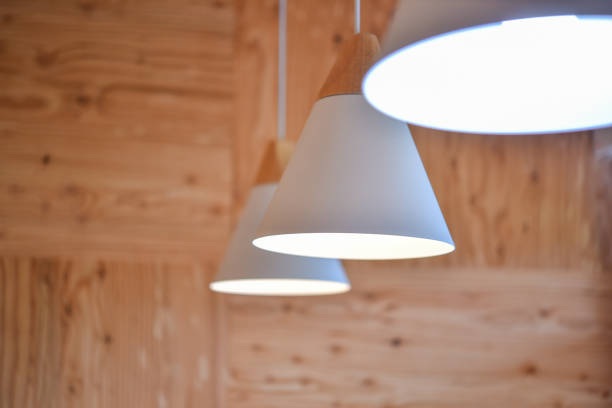
Lampshade Care and Safety: 5 Frequently Asked Questions
Q1: My fabric lampshade is moldy, can it be saved?
A: Yes, but you’ll need to act quickly. Fabric lampshades often develop mold in damp or poorly ventilated environments.
Mild mildew: Use the small brush tip of a vacuum cleaner to remove surface mold spores. Then, dampen a clean cloth with diluted white vinegar ( a 1:1 ratio of white vinegar to water ) and gently wipe the affected area. Vinegar kills mold, but remember to wipe it clean with a cloth dampened with clean water afterward. Allow the lampshade to air dry completely (ideally, expose it to sunlight for 1-2 hours).
Severe mold stains: If the mold has penetrated deep into the fabric fibers, it is recommended to replace the lampshade , as deep mold is not only difficult to remove but may also release harmful spores.
Q2: How do you clean lampshades made of different materials (fabric, parchment, metal)?
A: Targeted cleaning methods must be used to avoid damaging the material.
Fabric/Cotton/Linen: Use a lint roller or a soft vacuum brush to remove dust regularly. For stains, apply a spot of diluted neutral detergent and clean with a “patting” motion. Do not rub vigorously to avoid leaving water marks or damaging the shape.
Parchment/Plastic/Silk: These materials are very sensitive to water stains. Simply wipe gently with a dry microfiber cloth or static duster . If you encounter a stain, try using an eraser (a new, white one) to gently rub the affected area.
Metal/Glass: Wipe with glass cleaner or water and mild soapy water , then polish with a dry cloth to prevent water marks.
Q3: There are “burnt” marks on the bottom of the lampshade. Is it a safety hazard?
A: Yes, this is a serious safety hazard and must be addressed immediately. Scorch marks are usually caused by overpowering the bulb, causing the top or sides of the bulb to come too close to the inside of the lampshade, causing overheating.
Solution: Immediately replace the bulb with a low-wattage or LED bulb , especially if it has a clip-on fitter. Ensure that the top of the bulb is at least 1 inch (about 2.5 cm) away from the inner wall of the lampshade. If the lampshade has yellowed or become brittle, it is recommended to replace it immediately.
Q4: Can the lampshade of a table lamp be interchanged with that of a floor lamp?
A: Usually no, but it depends a lot on the type and size of the interface.
Interface issues: Table lamps often use a threaded-lock (Harp Fitter) design, while floor lamps may use a larger Uno Fitter or lock directly into the base of the lamp holder. In terms of size, the diameter of a floor lamp’s shade is typically much larger than that of a table lamp, so swapping them would result in a disproportionate effect.
Safety issue: Floor lamps require a wider base to ensure stability. If swapped, table lamps may become top-heavy and risk tipping over.
Q5: How often should the lampshade be cleaned?
A: Deep clean at least quarterly and dust weekly.
Dust accumulated on lampshades not only affects the quality of light, but also becomes a breeding ground for mites and bacteria. Especially for fabric lampshades, dust will affect the diffusion effect of light, making it look dim.
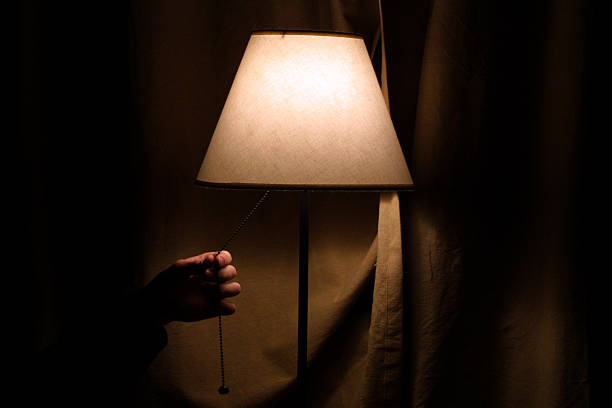
Lampshade Upgrades and Restorations: 5 Frequently Asked Questions
Q6: How do I repair a minor lampshade “dent” or “deformation”?
A: The repair method depends on the frame material.
Fabric/paper lampshades: If the dents are caused by transportation or squeezing, you can try using a steam iron . Using a clean cloth, without directly touching the lampshade, use the heat from the steam to gently smooth it out.
Metal frame: Carefully use pliers (preferably with a cloth wrapped around the pliers head) to straighten the twisted wire. If the frame is severely damaged, it is recommended to replace the lampshade directly.
Q7: What should I do if the lampshade interface (Fitter) does not match? What adapter do I need?
A: If the lampshade interface type does not match, you need an adapter .
Common conversions:
Converting from Uno Fitter (ferrule) to Harp Fitter (thread-lock): You will need to purchase a “bow assembly” that attaches to the base of your Uno Fitter to convert the lampshade to a thread-lock style.
Switching from an old-style connector to a clip-on style: If it’s a small decorative light, you can buy a bulb with a clip-on adapter, or just use a clip-on lampshade.
Q8: How to measure and choose the perfect size of the lampshade?
A: The lampshade size selection follows the “$2/3$ principle” :
Height: Ideally, the shade should be two-thirds the height of the lamp (from the base to the top of the lamp stand/bow) .
Width: The widest diameter of the lampshade should be $1$ to $2$ larger than the diameter of the lamp base .
Visual balance: Make sure the bottom edge of the lampshade completely covers the lamp base and the base of the bulb, but does not allow the top of the bulb to touch the inside wall of the lampshade.
Q9: Why does my lampshade emit a “strange smell” when the light is turned on?
A: Odors are usually caused by the following three reasons:
Dust burn: This is the most common cause. The bulb heats up, burning dust and organic matter that has accumulated on the lampshade. Solution: Clean the lampshade thoroughly.
Adhesive aging: Especially in older lampshades, the glue holding the fabric or lining together decomposes due to heat, producing a chemical smell.
Overheating of the plastic liner: Low-quality plastic liners break down in the high temperatures of LED bulbs. Solution: Replace with a high-quality fabric or parchment lampshade.
Q10: Is a transparent lampshade lining better than a white lining?
A: Not necessarily, it depends on your lighting needs.
White Lining: The most common color. It reflects light to the greatest extent , evenly and softly diffusing it into the room. Ideal for spaces that require bright, even ambient light.
Transparent/Gold/Silver Lining:
Transparent: Allows more light to pass through, suitable for emphasizing the texture of the lampshade material.
Gold/Silver: Adds a “warm” or “cool” glow effect, but with lower reflectivity . Suitable for mood lighting or decorative accents.
Summarize
Lampshades aren’t just decorative; they’re crucial for safety and lighting quality. From dealing with mold to mastering connector conversions, every effort you make to improve your lampshade improves your home’s quality of life. We hope this FAQ helps you resolve common issues and keep your lamps in top condition.
Do you have any other secrets for lampshade restoration or cleaning? Share your experiences in the comments!