Bathrooms and restrooms are the most unique areas of a home, constantly exposed to moisture, high temperatures, condensation, and direct water spray. These damp elements not only accelerate the corrosion and aging of standard lamps, but more importantly, can cause serious safety hazards such as short circuits and electrical leakage .
In bathroom lighting systems, mirror and heater shades are the first line of defense against moisture. Their materials and sealing must meet stringent safety standards. Choosing the right shade is no longer a matter of aesthetics; it’s a crucial aspect of lighting engineering . This article will delve into the selection criteria for lamps designed for humid environments, focusing on IP ratings and providing a practical guide for choosing mirror and heater shades.
Bathroom zoning rules based on IP ratings: How much protection does your lampshade need?
Bathrooms are divided into different protection zones by the International Electrotechnical Commission (IEC), and each zone has clear requirements for the IP rating of lamp housings (including lampshades ).
| Bathroom partitions | describe | IP rating requirements | Examples of lamp types (lampshades) |
| Zone 0 | Inside a bathtub or shower tray (submersible) | IPX7 and above | Underwater lighting |
| Zone 1 | The area directly above the bathtub or shower tray (below the highest point of the shower head) | IPX5 and above | Recessed spotlights |
| Zone 2 | Zone 1: 0.6m outside, height within 2.25m | IPX4 and above | Mirror lights, ceiling lights |
| Non-partitioned | More than 0.6 meters away from the faucet and more than 2.25 meters high | IPX2 and above | Ordinary ceiling lamp |
The “gold standard” for mirror lamp covers: IP44
Mirror lights are usually located in Zone 2 , which is 0.6 meters outside the edge of the sink or shower room.
Protection requirements: IPX4 (splashproof) is the minimum standard . However, considering daily face and hand washing or steam condensation, IP44 (or higher, such as IP54) is recommended .
IP44 Interpretation:
The first “4”: Protection against solid foreign objects larger than 1.0 mm (mainly insects and thread-like objects).
The second “4”: Splash-proof , can withstand splashes from any direction.
Lampshade material selection: The mirror headlight cover should be made of frosted glass or high-quality PC plastic . These materials are not only easy to clean, but their tight sealing structure also makes it easier to meet IP44 requirements.
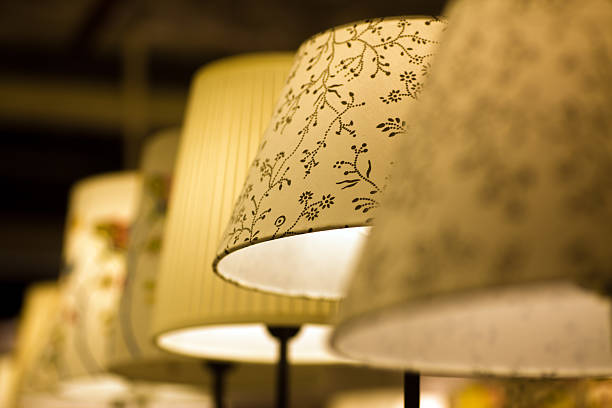
The ultimate challenge of bathroom lampshade: moisture-proof solution for high temperature and steam
The bathroom heater (or integrated ceiling light) is located at the top of the bathroom and is directly exposed to the challenges of high temperature steam and condensation droplets.
Core requirements for bathroom heater lampshades: IPX4 and moisture-proof materials
IP rating: Bathroom heaters or integrated lighting are typically located in Zone 1 or 2 , and their protection level should be at least IPX4 . IPX4 effectively prevents condensation dripping from the top and rising steam from entering the interior of the appliance.
Moisture-proofing challenges: The biggest challenge posed by humid environments is condensation . When hot steam rises and encounters the relatively cool lamp housing, it condenses into water droplets.
Lampshade material selection: Yuba lampshades are usually made of flame- retardant PC plastic or tempered glass that is heat-resistant and deformation-resistant . These materials can withstand the high temperatures of steam and ensure that they will not deform or fog over time.
Key points for purchase: anti-fogging treatment and sealing structure
Anti-fog coating: The surface of high-quality mirror lamp shades or bathroom lamp shades will be anti-fog treated . This ensures that after taking a shower, the surface of the lamp shade will not be covered with thick water mist, affecting the lighting effect.
Sealing ring and structure: When purchasing, check whether the connection between the lampshade and the main body is made of a silicone sealing ring or waterproof gasket . The IP rating of a lamp is not based solely on the material of the lampshade , but on the complete sealing structure .
Materials and maintenance tips for lampshades in humid environments
In addition to the IP rating, the material and routine maintenance are also crucial to the life of the lamp in a humid environment.
Materials to avoid and recommend
Avoid materials: Avoid using any cloth or moisture-absorbing paper lampshades in humid environments . They not only easily absorb moisture and become moldy, but are also difficult to clean.
Recommended materials:
Tempered glass: easy to clean, high temperature resistant, safe and explosion-proof.
High-quality PC/acrylic: lightweight, impact-resistant, and has excellent waterproof sealing.
Metal casing: Stainless steel, aluminum alloy or metal treated with high-standard anti-corrosion coating must be used to prevent rust and corrosion.
Maintenance Tips: Ensuring the Continued Validity of IP Ratings
Check the seals regularly: Every time you clean the lamp, check the seal between the lampshade and the lamp housing for signs of aging, cracking, or loss. Once the seal fails, the IP rating will no longer exist.
Use low-heat LEDs: Try to use low-heat LED bulbs. High-heat bulbs (such as halogen lamps) will exacerbate the temperature difference, causing more condensation and damaging the lampshade and internal circuits.
in conclusion:
lampshades and lamp housings is the only scientific standard for measuring their safety and durability in humid environments .
Remember: mirror lights should be at least IP44, and bathroom heaters or overhead lighting should be at least IPX4 or IPX5 . Choose a lampshade with a reliable IP rating and made of waterproof and corrosion-resistant materials to ensure a safe, bright, and durable bathroom lighting environment.
Can your bathroom lampshade withstand the test of steam and water splashes?