Restaurant lighting isn’t just about providing brightness; it’s also about creating atmosphere . A well-hung, precisely focused chandelier can instantly transform the dining table into a stage, enhancing the colors of food and the sheen of tableware. This focused light is the secret weapon that creates a sense of intimacy and ceremony in fine dining restaurants.
The chandelier shade plays a central role in restaurant lighting . Its height and material determine whether the light is soft, diffuse, or precisely focused. This article will reveal the “golden height” formula for restaurant chandelier shades and delve into how to utilize different shade designs to achieve the perfect centerpiece for your dining experience.
Golden Height Rule: The Best Hanging Position for Dining Room Chandelier Shades
chandelier shade is crucial to the comfort and visual balance of the dining room. Too high will diffuse the light and create a cold and desolate appearance; too low may obstruct vision and head movement, creating a sense of oppression.
Key formula: the “balance zone” of 75 cm to 85 cm
the dining room chandelier lampshade should be kept at an optimal distance of 75 cm to 85 cm from the dining table surface .
75 cm (low position): Creates an intimate, enclosed atmosphere. Light is more focused and private, making it ideal for small dining tables or areas that need a focal point, such as a bar.
85 cm (High): Ideal for large dining tables or situations where more eye contact is required . It minimizes disruption to face-to-face communication while maintaining a light-gathering effect.
Eliminate the feeling of oppression: This interval ensures that when people sit down, the bottom of the lampshade is slightly higher than or just above the eye level, thus avoiding visual obstruction and psychological oppression.
Adaptation rule: the size of the dining table determines the diameter of the lampshade
the chandelier shade must match the width of the dining table, which is the key to eliminating visual disharmony.
Following this rule will ensure that the light covers most of the dining table, while leaving room around the edges to prevent the lampshade from appearing too bulky.
Analysis of spotlight techniques : How to use lampshade materials to achieve “C-position light and shadow”
To create the “C-position light and shadow” of delicious food, a lampshade is needed to effectively gather the light and accurately project it onto the surface of the dining table.
Selection of light-gathering materials: the secret of light reflection of metal and dark interior walls
The first choice for achieving efficient focusing is a lampshade made of opaque material .
Metal lampshade (high concentration): Metal lampshades such as copper, iron, and aluminum are completely opaque and can reflect all light and concentrate it downward.
The secret: Its interior is typically painted matte white or frosted silver , which maximizes light reflectivity, ensuring beam intensity and directionality.
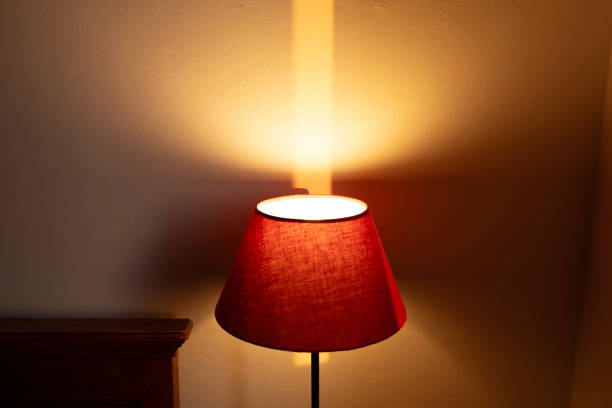
Dark/thick fabric lampshade (gentle focusing): The dark fabric lampshade absorbs side light, and at the same time, with a high shading angle structural design, it can also achieve gentle downward focusing.
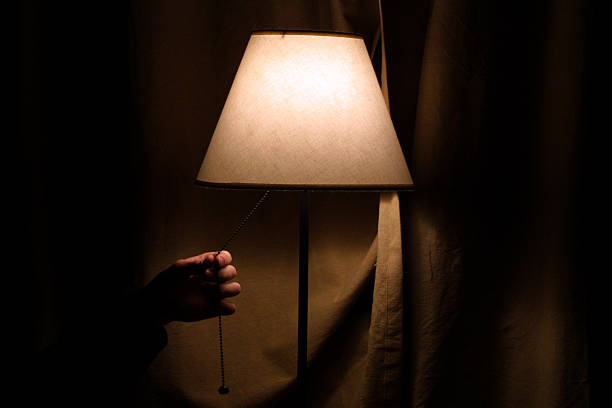
Light and shadow effects: These materials create a strong contrast, with the table surface being bright while the surrounding environment remains relatively dim, instantly creating a sense of privacy and luxury in the restaurant .
Anti-glare design: “shading angle” that focuses light without glare
Even spotlight lampshades must follow anti-glare principles to ensure a comfortable dining experience.
High shading angle: The excellent lampshade design of the restaurant pendant light should ensure that the light source is deeply hidden inside the lampshade . When people sit down, they cannot directly see the bulb or lamp beads.
Frosted bulbs: For chandeliers that use transparent glass or wire frame lampshades , they must be paired with frosted or milky white bulbs to soften the point light source into a surface light source, avoid direct glare, and protect the eyes.
Styling and matching strategy: choose lampshade according to the shape of the dining table
The shape of the dining table determines the shape and number of chandelier lampshades .
Round/square dining table:
Lampshade options: Single spherical, semicircular or conical pendant lampshade . The round beam can evenly cover the round tabletop, achieving a perfect visual correspondence.
Rectangular/Oval dining table:
Lampshade selection: Use long strip lampshades or multiple small pendant lampshades (such as 2-3) in an array.
Tip: Multiple small lampshades are more flexible than a single large lampshade , ensuring that light covers the entire long table, avoiding lighting blind spots at both ends of the table, while reducing the oppressive feeling of a single large lampshade .
Conclusion: Defining the Boundaries of Light for Your Dining Table
a dining pendant lampshade is a combination of science and art. By precisely suspending the base of the lampshade in the golden zone of 75-85 cm and cleverly utilizing light-collecting materials like metal , you can create a “center-of-sight” light and shadow that focuses on the food.
in conclusion:
A well-designed lampshade not only provides lighting but also defines the boundaries of warmth and focus for your family meals.
Now, please choose a “C-position lampshade” for your dining table that can accurately focus light and eliminate the feeling of oppression!